The McLaren 788HS Is A 777-HP Final Send-Off For The Brand’s V8 Supercar
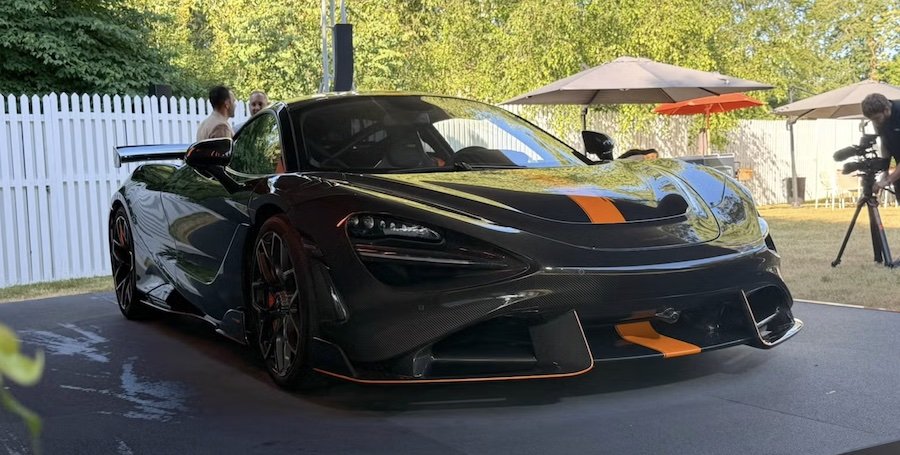
Unveiled at the Goodwood Festival of Speed, the 788HS is only the third McLaren ever to wear the High Sport badge, following the low-volume MP4-12C HS and the 675LT-based MSO HS. The number refers to the engine’s output in metric horsepower, which works out to 777 horsepower in the United States. Built by McLaren Special Operations, it caps the lineage that runs through the 720S, 750S, and 765LT with more power, more downforce, and a bespoke chassis setup. McLaren bills it as the ultimate expression of the series, and given what is under the skin, that is hard to argue with.
Aero and chassis
The visual drama is functional. The once-flush active airbrake is gone, replaced by a large fixed rear wing, and the front splitter is redesigned to work with it. An S-duct routes air through the bonnet to cut through the atmosphere more cleanly, coupes get a roof scoop feeding the engine bay, and the diffuser is the largest McLaren has fitted to a 720S-generation car, complete with F1-style slots. All told, downforce climbs about 10% over its predecessor, and every new aero element is left in glossy exposed carbon fiber.
Underneath, McLaren’s linked-hydraulic Proactive Chassis Control suspension gets HS-specific tuning, and the ride height drops by about 0.2 inch compared to a 750S. Braking comes from carbon-ceramic discs derived from the McLaren Senna, clamped by six-piston, forged-aluminum front calipers with integrated cooling, behind new forged centerlock wheels.
Rare, bespoke, and final
Exclusivity is a big part of the pitch. Production is capped at 200 cars worldwide, evenly split between 100 coupes and 100 Spiders, and each one passes through McLaren Special Operations for a fully bespoke commission, so no two need be alike. For the first time, McLaren will even offer exposed carbon-fiber bodywork. Inside are the Senna’s lightweight carbon-fiber bucket seats, a carbon-fiber center console, unique seat perforations, HS branding, and a dedication plaque bearing the car’s serial number.
Rare, bespoke, and final
Exclusivity is a big part of the pitch. Production is capped at 200 cars worldwide, evenly split between 100 coupes and 100 Spiders, and each one passes through McLaren Special Operations for a fully bespoke commission, so no two need be alike. For the first time, McLaren will even offer exposed carbon-fiber bodywork. Inside are the Senna’s lightweight carbon-fiber bucket seats, a carbon-fiber center console, unique seat perforations, HS branding, and a dedication plaque bearing the car’s serial number.
McLaren has not announced pricing, but given the rarity and the level of customization, expect it to land around $600,000 before options. More than the money, though, the 788HS matters as a bookend. It closes out the V8 supercar era that started with the 720S nearly a decade ago, and it does so just as McLaren prepares for an electrified next chapter. As last hurrahs go, 777 horsepower and a full MSO treatment is a strong way to sign off.
Related News
