Nissan Is Planning A Tech Upgrade That Will Hit Tesla Where It Hurts
The company had one of the first affordable, mass-produced EVs in the original Leaf way back in 2011. It also had one of the earliest and most widely available auto-steering assist systems with the first ProPilot Assist system in 2016. However, other companies ended up leap-frogging Nissan, and then some, in both EV and automated driving tech.
It's making up for lost time, though. The new Leaf is a leader in affordable EVs once again, and the company is also catching up with driver assist systems. Nissan announced this week that it and British company Wayve AI have signed "definitive agreements" to use Wayve's AI technology in a future version of ProPilot Assist that will offer more capability than GM's Super Cruise, Ford's BlueCruise, and use some tricks that Tesla uses.
Nissan Is Already Testing With Wayve Tech
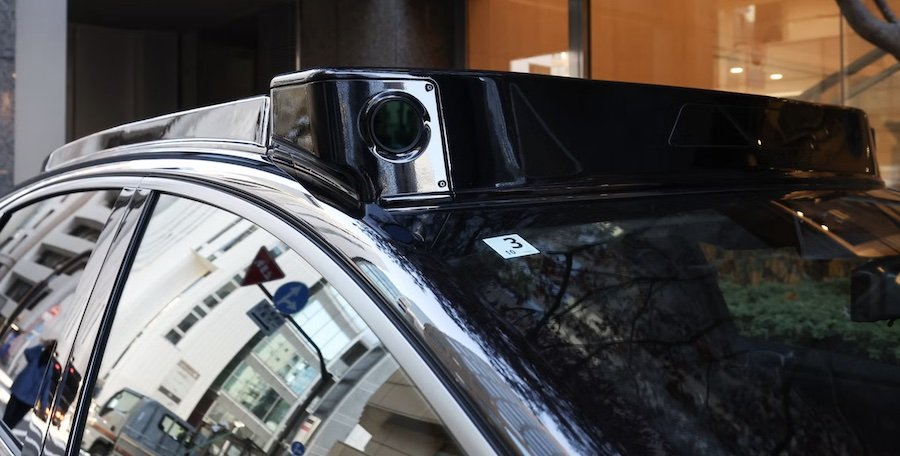
Nissan's official agreement with Wayve is the culmination of quite a bit of collaboration this year. The company announced its plans to work with the company back in April, and that resulted in the creation of a Nissan Ariya test vehicle. The Ariya uses a comprehensive suite of sensors with 11 cameras, 5 radar sensors, and a forward-facing LiDAR sensor. Wayve's artificial intelligence (AI) technology comes in to help understand and react to the road and world around the car. Wayve notes that its tech is focused on cameras primarily, much like Tesla's systems, but it can also work with radar and LiDAR.
According to Automotive News, Nissan is hoping that its work with Wayve will help bring the costs of its automated driving assist systems down below that of Tesla's system with the misleading name of "Full Self-Driving." The news outlet also reports that the Wayve-integrated system will enable hands-free driving even off mapped roads, and potentially eyes-off when the system is combined with LiDAR like the test vehicle. Currently, Super Cruise, BlueCruise, and even Nissan's current ProPilot system are only hands-free in mapped highway environments.
Nissan isn't a stranger to experimenting with eyes-off automated driving assist though. Before putting together its Ariya with the Wayve system, it had a Nissan Serena minivan that completed some testing on public streets in Japan with no driver at the wheel. That vehicle had far more sensors, though, with 14 cameras, 6 LiDAR sensors, and 9 radar sensors. A second-generation Leaf was also used with an additional radar sensor at one point, too.
The Technology Is Coming Soon
Nissan says that it will launch a ProPilot Assist system with Wayve technology as soon as 2027. That first model will just be offered in Japan, but the US will follow. Nissan also hinted that European availability may come at some point. We're not sure what the first model will be to get the system, but it shouldn't matter too much. Both Nissan and Wayve have talked about the AI making it easier to adapt systems to different vehicles and locations. So it's likely the technology will proliferate across models and regions relatively quickly.
Related News
