Toyota Reigns Supreme: World’s Best-Selling Carmaker For The Sixth Straight Year
UPDATE: The final numbers are in. Toyota and its Lexus, Daihatsu, and Hino subsidiaries sold a combined 11,322,575 units in 2025, a year-over-year increase of 4.6 percent.
Toyota grabbed the global sales crown in 2020 and has held onto it ever since. Although full-year results for 2025 haven’t been released yet, Japan’s automotive juggernaut already has reason to celebrate. The Volkswagen Group announced this week that it delivered 8.98 million vehicles worldwide last year, a figure that trails Toyota’s January-November total.
Through the first 11 months of 2025, Toyota and its Lexus, Daihatsu, and Hino subsidiaries sold a combined 10,327,976 vehicles, up 4.8 percent compared to the same period of 2024. December results are due soon and will only widen the gap between the leader and its German rival. The VW Group slipped by 0.5 percent last year, with the core Volkswagen brand down 1.4 percent to 4.73 million vehicles. Audi also declined, falling 2.9 percent to 1,623,551 units.
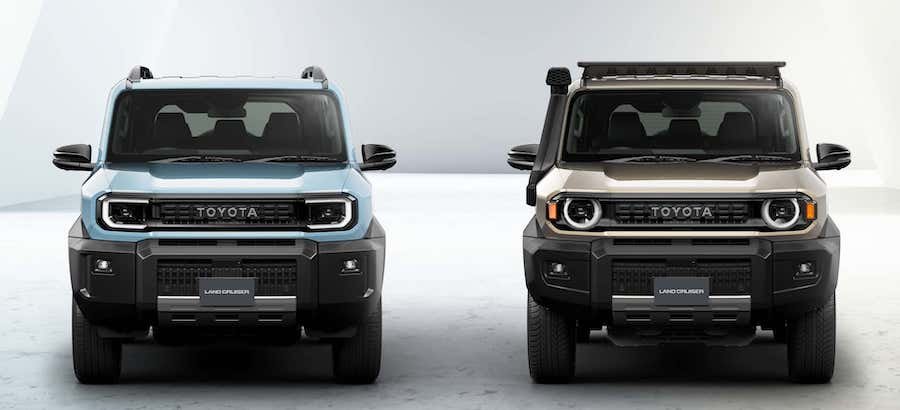
Toyota has plenty of reasons to be optimistic about the year ahead. A new Hilux and an affordable Land Cruiser FJ are on the way, while 2026 marks the first full year of availability for the sixth-generation RAV4, joined by a cheaper Wildlander sibling for China.
VW isn’t standing still either. It’s preparing to launch the ID. Polo as a new entry-level EV in Europe, priced from under €25,000, with a crossover variant set to follow before the end of the year in a crucial market segment. The larger ID.3 and ID.4 are due for another refresh in 2026, and the ID. Era 9X revealed this week for China marks the brand’s first range-extending EV.
While Toyota and the VW Group battle for supremacy, Hyundai and Kia continue to gain traction globally. The South Korean duo grew by 0.6 percent year-over-year to a combined 7.27 million vehicles, securing the final spot on the podium. Their target for 2026 is 7.51 million sales.
