Rimac One-Ups Musk By Revealing a Fleet of Robotaxis Before Tesla Does
Key Points
- Rimac’s Breakthrough: Verne, a purpose-built robotaxi, outpaces Tesla’s approach to autonomous mobility.
- Design Revolution: Built from scratch with no steering wheel or pedals, Verne prioritizes rider comfort and accessibility.
- Future Impact: Signals a shift from car ownership to shared, driverless urban transport.
Robotaxis: Tesla’s Long Game Meets Rimac’s Bold Pivot
For years, Tesla has been seen as the frontrunner in autonomous mobility. From Autopilot to self-driving cabs, the company is inching toward a future of driverless ride-sharing through gradual improvements in its driver-assist software. Elon Musk’s long-promised robotaxi network remains aspirational, its timeline repeatedly pushed back as the technology proves harder to perfect than expected. While Tesla continues to retrofit autonomy onto existing EVs, the concept of a self-driving Uber alternative still feels like a moving target.
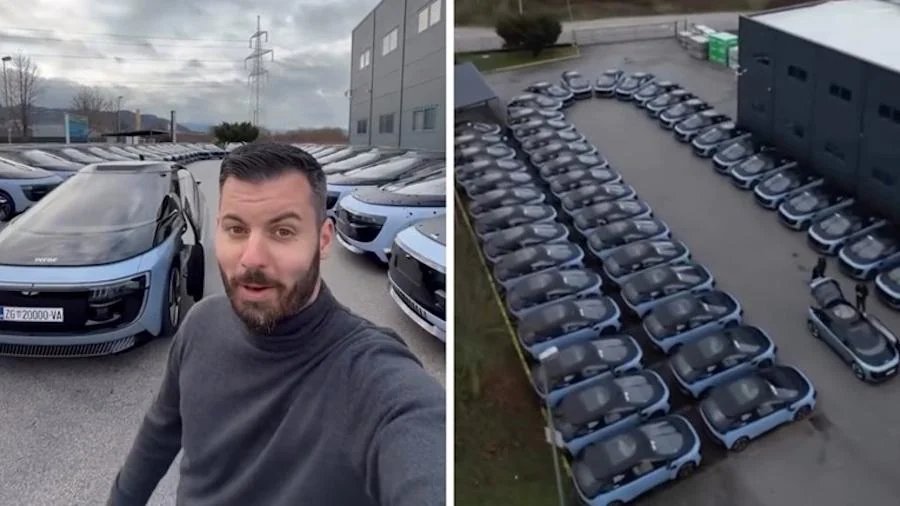
Now, Rimac, known for engineering hypercars like the Nevera, wants in on the action with an entirely different approach. In Mate Rimac’s Instagram post, he explains their new venture, Verne, and how the brand plans to build a fully autonomous robotaxi from the ground up. Instead of adapting cars for autonomy, Rimac is reimagining the vehicle itself with a design made for passengers, not drivers. His pivot signals a potential leap forward, skipping the halfway phase of human-driven EVs and going straight to purpose-built autonomous mobility.
Why Verne’s Robotaxi Could Redefine Autonomous Mobility
Unlike retrofitted Teslas or Waymo’s converted minivans, Verne’s two-door robotaxi is being engineered from the ground up with no steering wheel, no pedals, and sliding doors for easy access. The interior feels more like a lounge than a car. It’s got wide seats, integrated displays, and a focus on comfort rather than control.
Rimac’s design philosophy is simple: if no one’s driving, why design around a driver? Recent images of Verne prototypes show Rimac is already testing real hardware, suggesting the concept is moving beyond renderings to road-ready development.
Waymo Robotaxis Are Coming to Five More Cities—And Your Second Car Might Be in Trouble
Starting from scratch allows Rimac to avoid compromises that come with modifying existing cars. The result could be safer, more efficient, and more appealing to non-drivers. Rimac argues Verne will make personal mobility more inclusive, ideal for people who can’t or don’t want to drive. It’s a redefinition of convenience and accessibility, not just another tech experiment. If successful, Verne could shift the perception of cars from personal possessions to shared, autonomous tools for urban life.
A Shift Beyond Ownership
Rimac’s move aligns with what many auto executives are finally admitting, that the age of private car ownership may be peaking. As we pointed out earlier, future consumers are more likely to “subscribe” to transportation than to own it. The combination of electrification, autonomy, and shared mobility is becoming the new foundation of the automotive ecosystem, not just a niche experiment.
By designing a robotaxi platform from scratch, Rimac is betting that legacy automakers will struggle to adapt. Tesla may still dominate EV sales, but Rimac’s vision reflects where mobility is truly headed: fewer owners, more riders, and vehicles designed around experience instead of control. It’s a risky play, with regulatory, safety, and public trust hurdles ahead. But one that could mark the beginning of a genuine robotaxi revolution. If the Verne delivers, it could redefine what “driving” means altogether. It’s going to be a busy new year for the Croatian brand.
Related News
