Mazda Thinks Synthetic Fuel Can Save The Miata
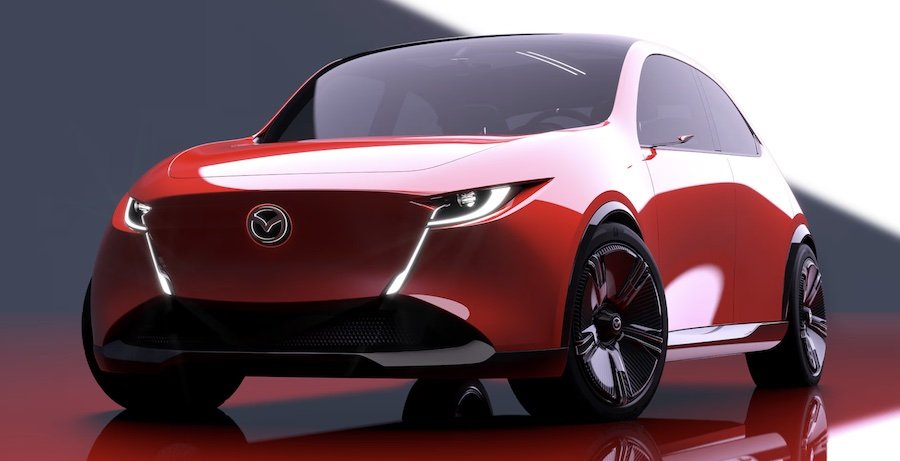
While a new rotary sports car reviving the "RX" moniker is increasingly unlikely, Mazda remains committed to the Miata. However, the fifth generation isn’t coming anytime soon, even though the current ND model is already 12 years old. The head of design for Europe has revealed that the NE "will take a few more years" before it arrives.
Speaking with Dutch publication AutoRAI, Jo Stenuit said Mazda still hasn’t decided which powertrain it will use. He believes some form of electrification is likely to be baked in, ensuring the next Miata meets emissions regulations. While mild hybrids carry the smallest weight penalty, this type of technology is apparently “the least of the options” the company is considering.
Separately, Mazda’s European R&D boss, Christian Schultze, told AutoRAI that in a best-case scenario, the Miata NE would use a combustion engine running on synthetic fuel. That would avoid the weight penalty associated with electrification and allow the model to comply with stricter legislation. However, it’s largely wishful thinking at this point, as there is virtually no infrastructure for CO2-neutral fuel.
'The simplest way to reduce the MX-5's emissions is to use synthetic fuels. That's the short answer, really. If you look at the technical reality, synthetic, CO2-neutral fuel allows you to continue using the existing combustion engine without having to completely overhaul the car's concept. For a model like the MX-5, which relies so heavily on lightweight construction, balance, and mechanical purity, that's a very logical route.'
Emissions regulations remain a persistent issue for Mazda. Nearly two years ago, the Zoom-Zoom company had no choice but to discontinue the Miata’s 2.0-liter engine in Europe because it failed to comply with EU legislation. Since then, only the smaller 1.5-liter unit has been available for the beloved roadster on the continent.
Even though the ND has been around since 2014, Mazda is apparently not done fine-tuning the formula. Schultze said engineers are hard at work tweaking the 1.5- and 2.0-liter engines to keep up with regulations. He added that the naturally aspirated four-cylinder units will undergo “technical adjustments, improvements in combustion, exhaust aftertreatment, and efficiency.” Hopefully, the larger of the two engines will return to Europe before the ND generation retires.
As for what comes next, Mazda’s European R&D leadership would prefer the lightest form of electrification if synthetic fuel fails to gain traction, which, let’s be honest, probably won’t happen anytime soon. Mazda has previously hinted at shoehorning its upcoming 2.5-liter Skyactiv-Z engine under the hood, but that now seems unlikely. Schultze said it would negatively impact balance and steering. Additionally, with Euro 7 looming, he doubts that fitting a larger engine would allow the Miata NE to meet the new emissions standard. He admits it’s difficult for Mazda to satisfy both buyers and regulators:
'We're looking for a technically sound solution with the right performance, the right weight, and full regulatory compliance. That's no easy task.'
Related News
