Honda CEO's Scary Admission Over China: 'We Have No Chance Against This'
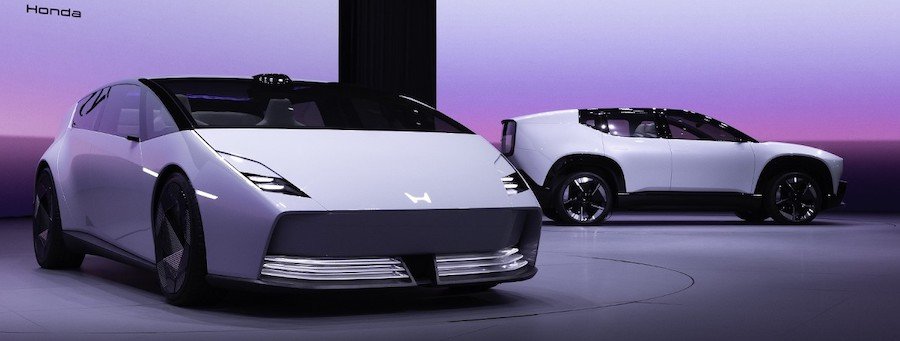
Now, the president of Honda has revealed how dire the situation is, saying "we have no chance against this" after visiting a supplier in Shanghai. What does that mean, exactly?
Honda is not doing well, especially in China, and its electric efforts have been a disaster. In March, Honda announced that it was canceling all three EVs it was designing for the US, along with its joint project with Sony.
Company executives said that "Honda was unable to deliver products that offer value for money better than that of newer EV manufacturers," making it uncompetitive. So it was recording billions in losses and packing up. Things were so bad that its executives were taking temporary pay cuts as punishment.
The solution is to go back to its basics. For Honda, that means shifting its research and development efforts back to an independent operation, and returning to what made the company a success in the first place: engineering.
Toshihiro Mibe was in charge of Honda R&D in 2020 when then-president Takahiro Hachigo decided to bring R&D back into the parent company. After 60 years of doing its own thing, Honda blamed R&D for slowing down its business and wanted to make the company more efficient.
It was Mibe, who is now Honda President, who said that the company had "no chance," reports Nikkei Asia. Mibe was touring the factory of a supplier in China where there were no humans on the production floor. He learned that Chinese factories could build fast and cheap, but also with quality.
Honda sold 1.6 million cars in China in 2020. As its competitors there figured out the industry, sales dropped. Now Honda expects to sell just 600,000 vehicles in that country this year, with its factories building just half of what they were designed for and costing it loads of cash.
Struggling Honda Needs To Do What It Does Best
It takes Honda twice as long to design a new model as it does its Chinese competitors, the report says. It's not clear how making research and development separate once again will speed that up, but Honda isn't willing to just give up.
Mibe told the company and its suppliers that it needs to act quickly to develop the speed and skills Honda needs to compete. Its research and development arm will need to go back to its roots, when Honda developed innovations like the CVCC engine that could meet emissions regulations without a catalytic converter or the VTEC system that revolutionized engine performance and economy.
But this time, it will need to do that with software as well as hardware. If it can't change Honda's direction, it could end up in a position that it can't recover from.
Toyota's departing CEO Koji Sato may have described it best when speaking with his own automaker's suppliers. "We won't survive if things continue as they are," he said last month.
Related News
