Angry VW Owners Have Last Laugh In Turbo Engine Lawsuit
The vehicles include popular Audi and Volkswagen models dating back to the 2008 model year, and anyone in the United States or Puerto Rico who currently owns, leases, or previously owned or leased one of the affected vehicles may be entitled to benefits under the settlement.
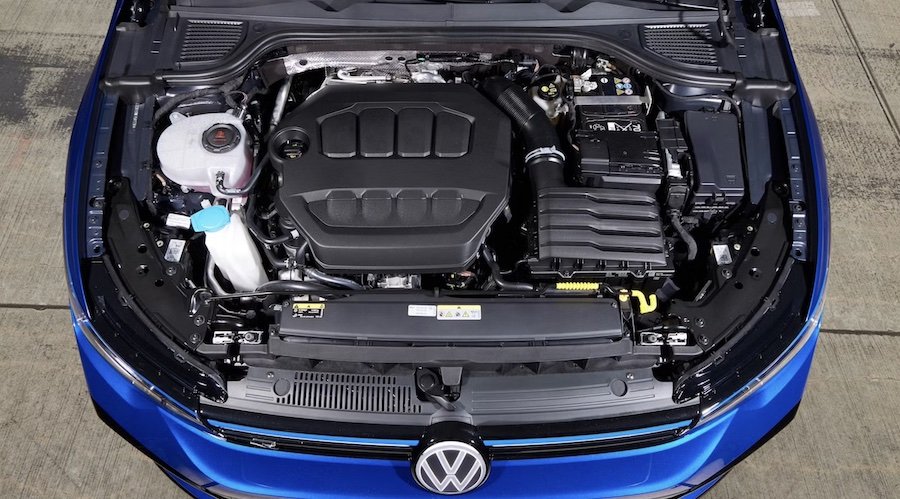
The lawsuit, Kimball v. Volkswagen Group of America, centers on claims that turbochargers in certain models, including the Audi Q5 and VW Golf GTI, were prone to premature failure. According to the complaint, the issue stemmed largely from corrosion in components of the turbocharger wastegate. The engines involved are the first three generations of Volkswagen’s widely used EA888 turbocharged 2.0-liter inline-4.
The case was originally filed by Julie Kimball, who alleged that her 2010 Audi A4 developed a turbocharger defect at just 63,000 miles, forcing her to spend $3,100 on repairs. While Volkswagen has denied any wrongdoing, it has agreed to provide reimbursements for certain past repair expenses and extend warranties for many owners. The settlement is currently awaiting final approval in federal court in New Jersey, where a fairness hearing is scheduled for December 4, 2025. Eligible owners and lessees must submit their claims by November 29, 2025, in order to participate.
Below is the list of vehicles included in the lawsuit, though only specific versions. The easiest way to check is to enter your VIN on the official settlement website or by calling 1-855-779-6685.
Owners who already paid for a qualifying turbocharger repair may be entitled to reimbursement. If the repair records show that the wastegate defect caused the failure, up to 50% of the repair cost can be recovered. If the documentation does not clearly identify the defect, reimbursement is capped at 40%. Repairs must have been completed within 8.5 years or 85,000 miles of the vehicle’s first in-service date, and only one repair per vehicle is eligible. Work performed at independent repair shops can still qualify, but the maximum reimbursement is $3,580. In all cases, claimants must provide proof of repair and adequate maintenance records, such as oil change receipts.
Even for drivers who have not yet experienced a turbocharger failure, the settlement offers benefits. Vehicles equipped with the third generation of the EA888 engine (referred to as Generation 3 vehicle in the lawsuit), generally from the 2015 model year onward, are eligible for an extended warranty. This coverage pays for half of the cost of turbocharger repairs due to wastegate corrosion until 8.5 years from the car’s in-service date or 85,000 miles, whichever comes first. For vehicles that have already passed that limit, the warranty extension lasts until November 14, 2025, or until the odometer reaches 85,000 miles.
Repairs for normal wear and tear aren't covered, nor are repairs for vehicles that were involved in accidents, modified, or poorly maintained.
